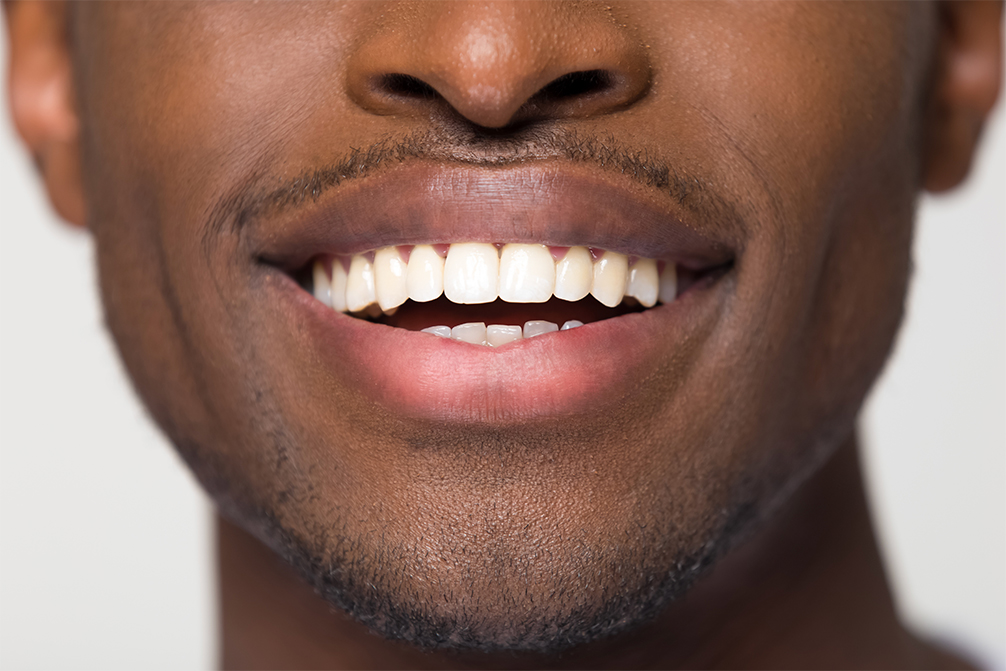
Understanding the Impact of Teeth Grinding on Your Smile
Teeth grinding, medically known as bruxism, affects millions of people across the United Kingdom, often without them even realising it. This nocturnal habit can wreak havoc on dental health over time, gradually wearing down tooth enamel and altering the appearance of one’s smile. The consequences extend beyond mere aesthetics, potentially leading to sensitivity, jaw pain, and structural damage that compromises the integrity of teeth and can be a reason why many patients consider composite bonding Bournemouth.
Many individuals only become aware of their grinding habit when a dentist points out the telltale signs during a routine examination. The damage accumulates slowly, manifesting as flattened tooth surfaces, chipped edges, and shortened teeth that can make one appear older than their years. According to the NHS guidance on teeth grinding symptoms and treatment, this condition can be triggered by stress, anxiety, sleep disorders, or an abnormal bite pattern.
The good news is that modern dentistry offers several solutions to restore teeth affected by grinding damage. Among these options, composite bonding has emerged as a popular choice for those seeking a minimally invasive yet effective treatment. This technique allows dental professionals to rebuild and reshape damaged teeth, returning them to their former glory without the need for extensive procedures.
What Makes Composite Bonding an Effective Solution
Composite bonding involves the application of a tooth-coloured resin material to damaged or worn teeth. This versatile treatment can address multiple concerns simultaneously, from restoring lost tooth structure to improving the overall appearance of one’s smile. The procedure is particularly well-suited to repairing the type of damage caused by chronic teeth grinding.
The resin used in composite bonding practices offer is carefully matched to the natural shade of existing teeth, ensuring seamless integration with one’s smile. Unlike crowns or veneers, composite bonding typically requires minimal removal of healthy tooth structure, making it a conservative approach to dental restoration. The material bonds directly to the tooth surface, creating a strong and durable repair that can withstand normal biting forces.
The Process of Composite Bonding
The treatment itself is relatively straightforward and can often be completed in a single visit. The dentist begins by preparing the tooth surface, ensuring optimal adhesion of the composite material. The resin is then applied in layers, with each layer being carefully shaped and hardened using a special curing light.
This meticulous layering technique allows the practitioner to recreate the natural contours and translucency of tooth enamel, resulting in restorations that blend seamlessly with surrounding teeth. Once the desired shape and size have been achieved, the composite is polished to a smooth finish that mimics the lustre of natural enamel.
Advantages Over Alternative Treatments
When compared to other restorative options, composite bonding offers several distinct advantages for patients dealing with grinding-related damage. The treatment is generally more affordable than porcelain veneers or crowns, making it accessible to a broader range of individuals. Additionally, the procedure is reversible, which provides peace of mind for those who may wish to explore different options in the future.
The speed of treatment is another compelling benefit. Whilst crowns typically require multiple appointments and temporary restorations, composite bonding can transform a smile in just one session. This efficiency makes it particularly appealing for those with busy schedules who cannot commit to lengthy treatment plans. Research from the National Institute of Dental and Craniofacial Research on bruxism highlights the importance of addressing grinding damage promptly to prevent further deterioration.
Long-Term Care and Maintenance
Whilst composite bonding provides excellent results, maintaining these restorations requires some consideration, especially for individuals who continue to grind their teeth. Wearing a custom-made night guard is essential to protect both natural teeth and bonded restorations from further damage. This preventive measure can significantly extend the lifespan of composite work whilst addressing the underlying cause of tooth wear.
Regular dental check-ups allow professionals to monitor the condition of bonded teeth and make any necessary adjustments. With proper care and protection, composite bonding can last several years before requiring touch-ups or replacement. Patients should also be mindful of their dietary habits, avoiding excessively hard foods that could compromise the integrity of the composite material. For more information about treatment options for worn teeth, consulting with a qualified dental professional is advisable.
Restoring Confidence Through Modern Dentistry
The psychological impact of damaged teeth should not be underestimated. Many people who suffer from grinding-related wear find themselves reluctant to smile freely, affecting their confidence in both personal and professional settings. Composite bonding offers a pathway to reclaiming that confidence, providing natural-looking results that can genuinely transform one’s appearance and self-esteem. For those seeking composite bonding, dental practices can provide expert guidance tailored to individual circumstances, helping patients achieve the smile they deserve.